Introduction to FUE Hair Transplant
FUE, or Follicular Unit Extraction, is a technique used in hair transplantation to
harvest individual hair follicles from the donor area (usually the back or sides of the scalp)
and implant them into the recipient area where hair is thinning or balding. It’s a minimally
invasive procedure that has gained popularity due to its effectiveness and aesthetic
results.
History and Development
The concept of hair transplantation dates back to the 1930s, but modern techniques like FUE have evolved significantly over the past few decades. The traditional method, Follicular Unit
Transplantation (FUT), involved harvesting a strip of scalp from the donor area and dissecting it into grafts for implantation. FUE, on the other hand, was developed as a less invasive alternative.
FUE was pioneered by Dr. Masumi Inaba in Japan in the late 1980s, but it gained widespread recognition and refinement in the early 2000s when Dr. Ray Woods of Australia and Dr. William Rassman and Dr. Robert
Bernstein in the United States began using and promoting the technique. Since then, FUE has become a standard procedure in hair restoration clinics worldwide.
How FUE Works
- Consultation and Planning
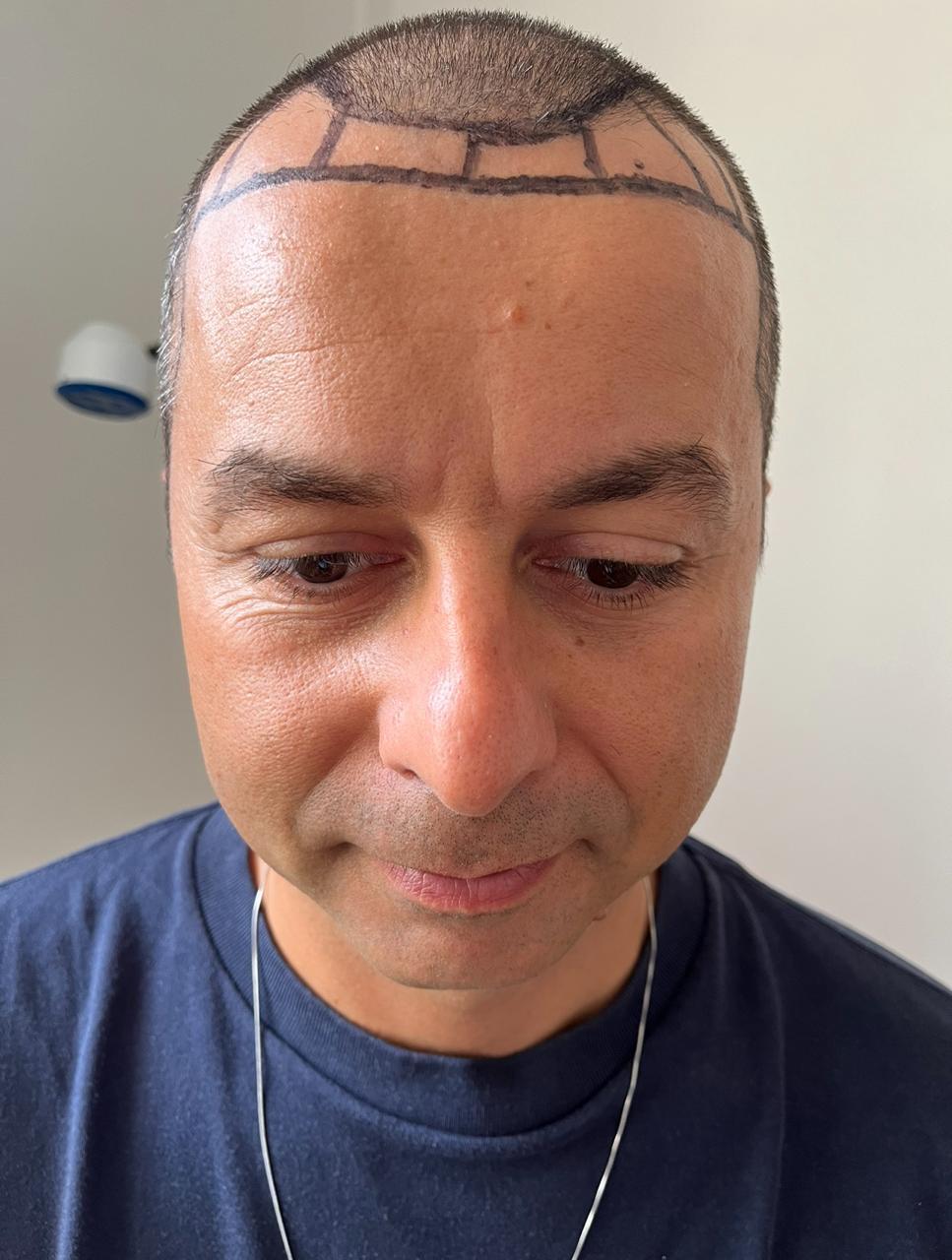
Before the procedure, a consultation with a hair transplant surgeon is crucial. They assess the patient’s hair loss pattern, donor hair density, and expectations. A detailed discussion ensures the patient understands what to expect from the procedure and allows the surgeon to plan the hairline design and overall treatment approach.
- Donor Area Preparation
On the day of the procedure, the donor area (typically the back or sides of the scalp) is trimmed short to facilitate easier extraction of hair follicles. Local anesthesia is administered to numb the donor area, ensuring the patient’s comfort during the extraction process
- Follicle Extraction
Using a small, circular punch tool typically ranging from 0.7mm to 1.0mm in diameter, individual hair follicles are extracted from the donor area. The punch tool may be manually operated or motorized, depending on the clinic’s preference and the surgeon’s expertise. Each follicular unit extracted contains one to four hairs.
- Graft Preparation
Once extracted, the follicular units are carefully sorted and trimmed under a microscope by trained technicians. This step is crucial to ensure that each graft is intact and contains healthy hair follicles ready for transplantation.
- Recipient Site Creation
Tiny incisions or slits are made in the recipient area (where hair is thinning or balding) according to the predetermined hairline design. The angle, depth, and density of these incisions are critical to achieving a natural-looking result.
- Graft Implantation
Using delicate instruments, the prepared follicular units are meticulously placed into the recipient incisions. The surgeon pays close attention to the orientation and arrangement of the grafts to mimic natural hair growth patterns. This meticulous process ensures the best possible aesthetic outcome.
- Post-Procedure Care and Recovery
After the procedure, the patient is given post-operative care instructions, including how to cleanse the recipient area and manage any discomfort or swelling. Most patients can resume normal activities within a few days to a week, with visible hair growth typically starting within a few months.
Benefits of FUE Hair Transplant
- Minimally Invasive
FUE does not involve the removal of a strip of scalp, resulting in minimal scarring and a quicker recovery time compared to FUT. The small, circular scars in the donor area are less noticeable and allow for more flexibility in hairstyling.
- Versatility
FUE can be used to transplant hair not only on the scalp but also on other parts of the body where hair loss has occurred, such as the eyebrows, beard, and chest. This versatility makes it a preferred choice for individuals seeking hair restoration in various areas.
- Natural Results
The ability to harvest and transplant individual follicular units enables surgeons to create a natural-looking hairline and distribute hair grafts evenly throughout the recipient area. This results in a more aesthetically pleasing outcome that blends seamlessly with existing hair.
- Reduced Discomfort
Patients typically experience minimal discomfort during and after the procedure due to advancements in local anesthesia techniques and the less invasive nature of FUE.
- Faster Healing Time
The absence of a linear scar in the donor area allows for quicker healing and less post-operative discomfort compared to FUT. Most patients can return to work and normal activities within a few days to a week after the procedure.
Considerations Before Getting FUE
- Candidate Suitability
Not everyone experiencing hair loss is a suitable candidate for FUE. Factors such as the extent of hair loss, donor hair availability, age, and overall health need to be considered. A consultation with a qualified hair transplant surgeon is essential to determine candidacy.
- Cost
The cost of FUE can vary widely depending on factors such as the clinic’s location, surgeon’s experience, and the number of grafts needed. It’s important to inquire about pricing during the consultation and understand what is included in the cost (e.g., follow-up visits, post-operative care).
- Expectations
Managing expectations is crucial. While FUE can achieve significant improvements in hair density and appearance, it may not restore a full head of hair in cases of advanced hair loss. Realistic expectations based on the surgeon’s assessment are important for patient satisfaction.
- Maintenance
While transplanted hair is typically permanent, natural hair loss progression may continue in untreated areas of the scalp. Patients may require ongoing maintenance treatments or medications to preserve existing hair and prevent further loss.





 All services